
Get reliable pest information and explore our recent works, showcasing safe and effective solutions for homes and businesses.
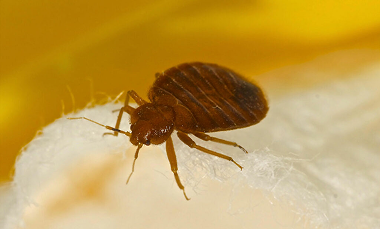
Bed bugs (Cimex lectularius) are parasitic insects that hide in crevices during the day and emerge at night to feed. They are typically found in mattresses, bed frames, headboards, and furniture. Bed bugs do not fly, but they can crawl quickly and easily spread from one location to another via clothing, luggage, or furniture.
See how we’ve helped clients successfully eliminate ant infestations with safe, effective treatments.
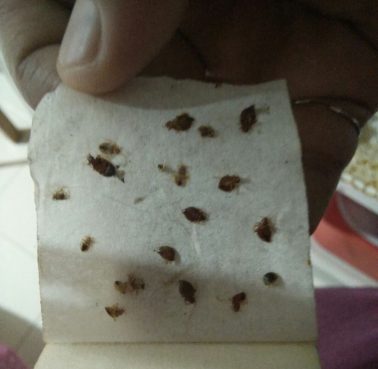
Singapore’s warm, humid climate and high population density make it an ideal environment for bed bugs to thrive. Bed bugs are highly resilient and can survive long periods without food, hiding in places people rarely inspect.
Infestations are common in:
Early detection is crucial in preventing a minor bed bug problem from becoming a widespread infestation. Bed bugs are nocturnal pests and often hide in small, hard-to-see spaces, making them difficult to detect at first. However, there are several tell-tale signs that may indicate their presence in your home or business.
Not all ants are easy to spot at first. Look out for:

Bed bugs are nocturnal feeders. They detect body heat and carbon dioxide to locate their host. After feeding, they retreat to hiding places close to their food source.

While bed bugs are not completely preventable, taking a few proactive steps can help lower your risk of infestation:
Bed bugs do not latch onto humans like ticks or lice. Instead, they hide in items people carry and travel unnoticed.
One of the most common concerns surrounding bed bugs is whether they transmit diseases. While these pests are undeniably a nuisance, there is currently no scientific evidence to suggest that bed bugs spread infectious diseases to humans.
Bed bug bites may cause itchy red welts, rashes, or allergic reactions in sensitive individuals. Repeated scratching can lead to secondary skin infections such as impetigo or cellulitis, especially in young children or the elderly.
The presence of bed bugs can interfere with your ability to rest. Anxiety, stress, and insomnia are common among those dealing with infestations, as the thought of being bitten during sleep can be distressing.
The psychological effects of bed bugs should not be underestimated. Many people report feelings of embarrassment, paranoia, or even depression during prolonged infestations. The stigma surrounding bed bugs can also lead to social isolation.
In some cases, individuals may experience more serious allergic responses to bed bug bites, such as swelling, hives, or anaphylaxis, though such cases are rare.
Bed bugs feed exclusively on blood, usually at night when you’re asleep.
we’ve spent years helping Singaporeans stay informed and protected. Our team comprises NEA-certified specialists with deep knowledge in bed bug behaviour, inspection techniques, and safe management practices.
We are an award-winning pest control company with over 20 years experience in the business. We provide a wide range of services for residential, commercial, and industrial level clients.
© 2024-2025 Red Dot Pest Control