Termites can become a serious concern for homeowners and businesses when they remain undetected for a long time. These small insects feed on cellulose-based materials, including wood, cardboard, and other plant-based products. Although termites are tiny, their activity can gradually damage furniture, wooden structures, flooring, and other important parts of a property. For this reason, early detection and suitable pest management are essential for maintaining a safe and well-protected building.
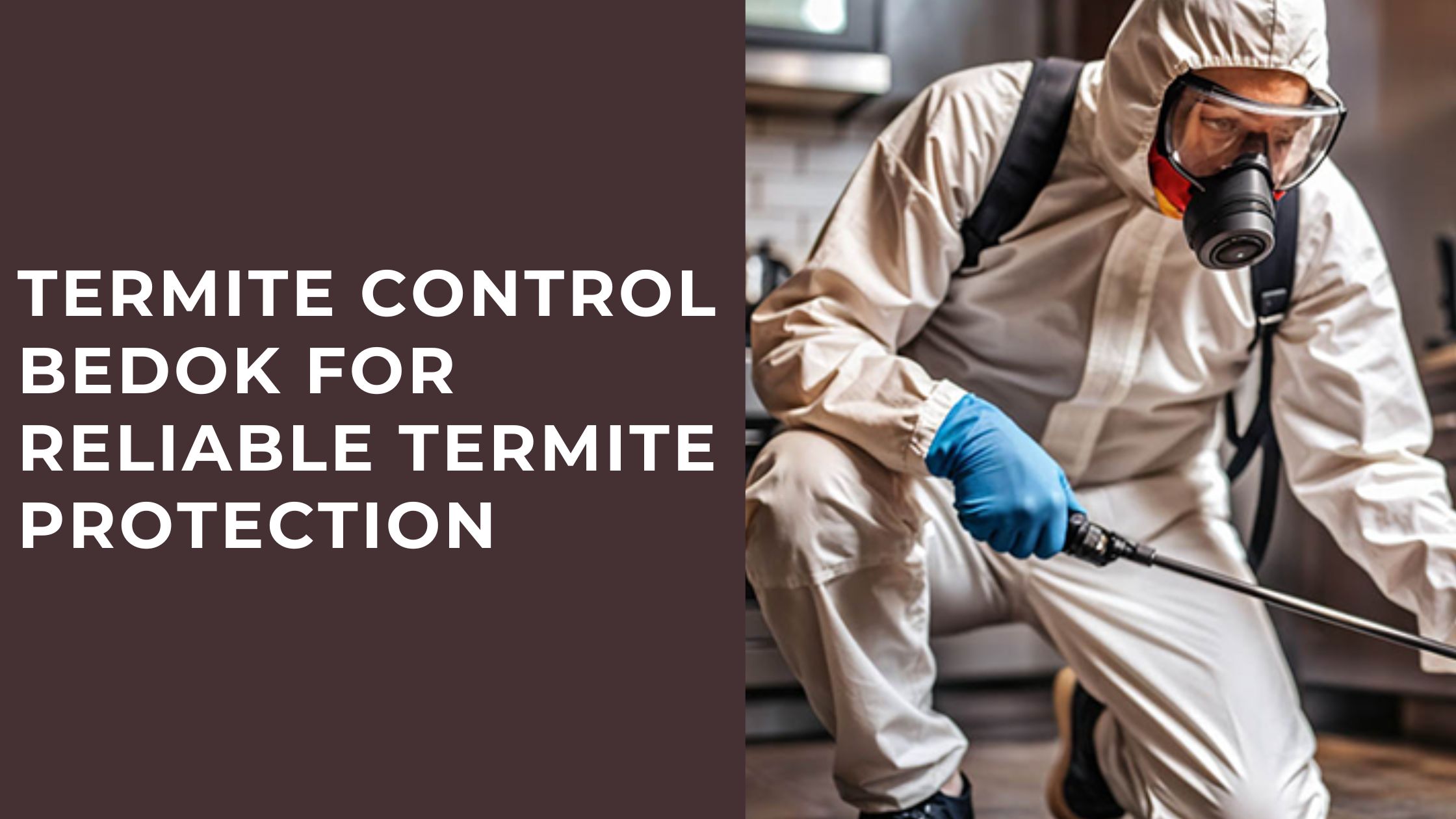
Professional termite control Bedok services help property owners identify possible termite activity, understand the source of an infestation, and choose appropriate treatment options. Whether you own a residential property, manage an office, or operate a commercial space, regular inspections can help identify pest problems before they become more difficult to manage.
Bedok has a mix of residential buildings, businesses, and established properties. Different building designs, moisture conditions, and maintenance issues can influence pest activity. Along with termite concerns, property owners may also need cockroach control Bedok to manage common indoor pests.
This article explains termite warning signs, treatment methods, prevention tips, and the importance of professional pest control.
What Is Termite Control Bedok?
Termite control Bedok refers to professional services that focus on inspecting, treating, and preventing termite infestations in properties located in Bedok. These services are designed to identify termite activity and recommend management solutions based on the property’s condition.
Termites often stay inside wooden materials, soil, wall spaces, or other protected locations. This makes them difficult to notice during the early stages of an infestation. Finding visible termites is not always necessary for a property to have termite activity.
A professional technician can examine possible entry points, damaged materials, and areas where termites may be present. The inspection findings help determine whether treatment or further monitoring is needed.
Effective termite management generally involves three important stages:
- Inspection: Finding signs of termites and possible infestation areas.
- Treatment: Applying suitable methods to manage termite activity.
- Prevention: Reducing conditions that may encourage future infestations.
The appropriate solution depends on the termite species, property structure, and extent of the problem. Professional assessment is important because different termite species may require different management approaches.
Why Termites Can Damage Properties
Termites are social insects that live in colonies. Depending on the species, they may build colonies in soil, wooden materials, or protected areas around buildings. They search for suitable food sources and can enter properties through small gaps, cracks, and other accessible pathways.
Termites mainly consume cellulose, which is found in wood and various plant-based materials. Their feeding activity can gradually weaken affected materials. The amount of damage depends on factors such as termite species, infestation duration, building conditions, and the materials involved.
Wooden doors, cabinets, flooring, shelves, and furniture can all become vulnerable to termite damage. In some situations, termites may also affect structural timber, making professional assessment especially important.
Singapore’s warm and humid climate supports many types of insect activity. However, termites do not require every property to have visible moisture problems. Proper maintenance, inspections, and preventive measures can help property owners manage potential risks.
Ignoring possible termite signs may allow an infestation to continue unnoticed. Addressing concerns early gives property owners an opportunity to understand the situation and take suitable action.
Common Signs of Termite Infestation
Termites are often hidden, but several warning signs may indicate their presence. Property owners should pay attention to unusual changes in wooden materials and other areas around the building.
1. Hollow-Sounding Wooden Materials
When termites consume wood internally, the material may become weakened or hollow. Tapping a wooden surface and noticing an unusual sound can be a reason to arrange an inspection.
However, hollow-sounding wood can also result from other forms of damage or construction methods. A professional should assess the cause before confirming termite activity.
2. Mud Tubes on Walls
Subterranean termites may construct mud tubes to travel between their colony and food sources. These tubes can appear on walls, foundations, wooden structures, and other surfaces.
Mud tubes are an important warning sign, but their presence alone does not establish the size or location of the termite colony. Professional inspection is required to understand the situation.
3. Discarded Wings Near Windows
Winged termites may leave colonies during reproductive flights. After landing, they can shed their wings. Property owners may find discarded wings near windows, doors, or light sources.
This sign may indicate termite activity nearby, although it does not confirm the exact location of an infestation.
4. Damaged Wood and Furniture
Unusual cracks, weakened surfaces, blistering, or changes in wooden furniture may indicate damage. Moisture, ageing, and other building problems can create similar signs.
A technician can examine the affected material and help identify the likely cause.
5. Visible Termites
In some cases, termites may be seen inside damaged wood, soil, or concealed areas. If you notice visible termites, avoid unnecessary disturbance and arrange an inspection.
Early investigation can help determine whether treatment is required.
How Professional Termite Control Works
Professional termite management usually begins with a property inspection. The technician examines potential infestation areas and considers the building’s structure, maintenance history, and visible evidence.
Property Inspection and Assessment
The technician may inspect wooden doors, flooring, cabinets, skirting boards, storage areas, foundations, and possible entry points. Areas affected by moisture or previous pest activity may also require attention.
The purpose of the inspection is to identify possible termite activity and determine whether additional investigation is necessary.
Identifying the Termite Type
Different termite species have different behaviours. Subterranean termites are associated with soil and protected pathways, while drywood termites can infest relatively dry wooden materials.
Identifying the likely species helps professionals select an appropriate treatment strategy. A reliable service provider should explain the inspection findings and the reasons behind the recommended solution.
Choosing the Right Treatment
Treatment options depend on the infestation and property conditions. Depending on the assessment, professionals may use targeted chemical treatments, baiting systems, or other approved methods.
The technician should explain the treatment process, safety precautions, and any preparation required before application. Pesticides must be used according to their labels and applicable regulations.
Follow-Up Monitoring
Some termite treatments require monitoring and follow-up inspections. These measures help determine whether termite activity has changed and whether additional action is needed.
Property owners should ask about monitoring arrangements, treatment limitations, and what steps are available if termite activity continues.
Benefits of Professional Termite Control Bedok
Hiring a professional termite control provider can help property owners approach pest problems in a structured way. The results depend on the treatment method, property conditions, and ongoing maintenance.
Early Identification
Professional inspections may identify signs of termite activity before extensive damage becomes visible. Early attention can support better maintenance decisions.
Suitable Treatment Planning
A technician can consider the property’s construction, affected areas, and suspected termite species when recommending treatment.
Reduced Risk of Further Damage
Managing an active infestation can help reduce continued damage to wooden materials. Existing structural damage may still require assessment and repair.
Expert Prevention Advice
A professional may recommend addressing moisture issues, maintaining wooden surfaces, and monitoring possible entry points.
Ongoing Pest Management
Follow-up inspections and monitoring may be useful for properties with previous termite activity or continuing risks.
No service can guarantee permanent protection from every future infestation. A combination of professional management and property maintenance is important.
Five Practical Ways to Prevent Termites
Preventive maintenance can help reduce conditions that may support termite activity. Property owners should consider the following measures:
- Repair water leaks: Fix leaking pipes, damaged drainage, and other moisture-related building problems.
- Inspect wooden surfaces: Check doors, furniture, flooring, and timber for unusual damage.
- Manage soil-to-wood contact: Address potential entry points where practical and appropriate for the building.
- Maintain storage spaces: Reduce unnecessary cardboard accumulation and inspect stored materials.
- Schedule professional inspections: Seek expert advice when you notice mud tubes, damaged wood, or suspicious activity.
These steps can support prevention, but they cannot replace professional treatment when an active infestation is present.
Termite Control and Cockroach Control Bedok
Termites are not the only pests that can affect residential and commercial properties. Cockroaches, ants, mosquitoes, and rodents may also create hygiene and maintenance concerns.
People searching for cockroach control Bedok may be dealing with cockroach activity in kitchens, storage rooms, drainage areas, or other indoor locations. Cockroaches can survive in places where food, water, and shelter are available.
Cockroach management may involve identifying hiding areas, improving sanitation, reducing food access, sealing entry points, and applying suitable pest control treatments.
Termites and cockroaches have different behaviours and treatment requirements. Termite management focuses on protecting cellulose-based materials and addressing termite activity, while cockroach control focuses on reducing infestation and managing indoor harbourage areas.
A professional pest control assessment can help identify the specific service required for each pest problem.
How to Choose a Reliable Pest Control Company
Choosing a pest control provider requires careful consideration. The cheapest service may not always meet your property’s needs, while a higher price does not automatically guarantee better results.
Before selecting a provider, consider these important factors:
- Does the company offer a detailed inspection?
- Does the technician explain the findings clearly?
- Are treatment methods and safety instructions provided?
- Is follow-up monitoring available when necessary?
- Does the company explain treatment limitations honestly?
A professional provider should avoid unrealistic promises and explain that pest control results can depend on building conditions, infestation severity, and termite behaviour.
Why Consider Red Dot Pest?
Red Dot Pest provides pest control solutions for residential and commercial properties. Property owners seeking termite control in Bedok can contact the company to discuss their pest concerns and available service options.
A suitable termite management plan should be based on an inspection and the property’s specific requirements. Before booking, customers should ask about inspection procedures, treatment methods, safety precautions, and follow-up arrangements.
Professional advice can help property owners better understand their pest concerns and select appropriate management measures.
Frequently Asked Questions
1. What is termite control Bedok?
Termite control Bedok refers to professional inspection, treatment, and prevention services for termite infestations in properties located in Bedok.
2. What are the main signs of termites?
Common signs include mud tubes, damaged wood, discarded wings, hollow-sounding materials, and visible termites. A professional inspection is recommended for confirmation.
3. Can termites damage wooden furniture?
Yes. Certain termite species can damage furniture, flooring, doors, and other wooden materials. The extent of damage depends on the infestation and affected materials.
4. How long does termite treatment take?
Treatment duration depends on the method used, infestation severity, property size, and accessibility. Some treatment programs require follow-up inspections.
5. Is termite control safe for children and pets?
Safety depends on the treatment product and application method. Property owners should follow the technician’s instructions and ask about precautions for children and pets.
6. What is cockroach control Bedok?
Cockroach control Bedok refers to professional services that help identify and manage cockroach infestations in homes and commercial properties.
7. Can termites return after treatment?
Yes. New activity may occur because of environmental conditions, new entry points, or other factors. Monitoring and preventive maintenance can help manage ongoing risks.
Conclusion
Termite infestations can develop in hidden locations and cause damage before property owners notice obvious warning signs. Professional inspection, suitable treatment, and preventive maintenance are important parts of termite management.
Reliable termite control Bedok services can help property owners identify termite concerns and understand appropriate treatment options. If you are also experiencing cockroach activity, cockroach control Bedok services can address that separate pest problem.
Red Dot Pest offers pest control solutions for residential and commercial properties. Contact the company to discuss your inspection and pest management requirements and take informed steps toward long-term property protection.